

Detailed 2014 Itinerary
11th January - Fly from Sydney to Buenos Aires
Outdoor Spirit staff will meet you at Sydney International Airport at 5pm. After checking in and final goodbye’s, our journey begins at 7:00pm with a 19hr flight from Sydney to Buenos Aires, the capital of Argentina in South America. During the flight, we will cross the International Date Line where we turn our clocks back 24hrs; so it seems we land on the same day only 30mins after we took off...
Pre-arranged transport will take us to our nearby hotel for a well earned rest.

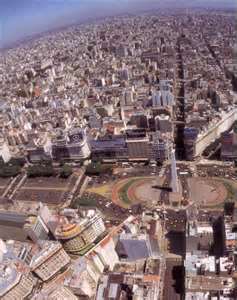 12th January - Buenos Aires - City Tour
We will spend our first day in Argentina getting our bearings and exploring this vibrant metropolis with a mini-bus tour of the city highlights.
 13th January - Buenos Aires - Cycling & Kayaking Adventure
Just outside of Buenos Aires is the Tigre and the Paraná River delta area. We will undertake a cycling tour through the picturesque Tigre region to the Parana River. From here we will hop into kayaks and paddle through the quiet creeks that join the arms of the Parana River, the second largest river in South America. The tour of Tigre, and the delta area offers a wide range of possibilities to combine both sport and culture in a beautiful setting.
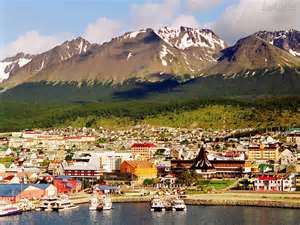 14th January - Fly Buenos Aires to Ushuaia
Mid morning we take a 4hr flight from Buenos Aires to Ushuaia, the gateway to the Antarctic Peninsula. Ushuaia is the capital of Argentina’s island province of Tierra del Fuego (Land of Fire). It is commonly regarded as the southernmost city in the world. We’ll check into our hotel and spend the rest of the day exploring the small city.
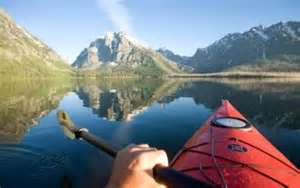 15th January - Hike & Canoe- Tierra del Fuego National Park
Tierra del Fuego National Park is the southernmost national park in the world. The area has dramatic scenery, including waterfalls, forests, mountains and glaciers. We will spend a day hiking through the forests, and canoeing down rivers to get into the famous Lapataia Bay.
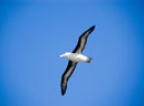 16th January - Embarkation Day
The Beagle Channel sets us on our way as the ship sails in the late afternoon. The channel opens up to the vastness of the Southern Ocean, where your next land sighting will be along the Antarctic Peninsula. Named after the famed ship in which Charles Darwin voyaged, the channel presents many great photo opportunities to capture sea birds hovering overhead.
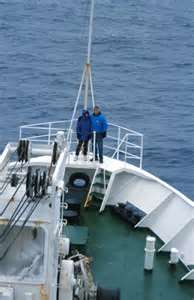 17th - 18th January - Crossing the Drake Passage
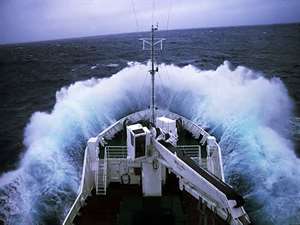
The waters of the Drake Passage are unpredictable, so hope for clear skies and a calm ocean. We’ll have plenty of time to stare out at the sea and get to know your crew members.
Time over these two days will be spent preparing for the exciting days ahead, with numerous educational and informative lectures from the education team. We’ll learn about everything from safety procedures to the history of whaling in Antarctica.
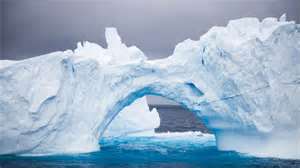 19th - 21st January - The Antarctic Peninsula & South Shetland Islands
With the Drake Passage in our wake, we make a final approach to Antarctica. The continent’s coastline will make its first appearance, signalling the start of our adventure in the realm of the Antarctic. We’ll see plentiful icebergs floating by and curious whales spouting and breaching.
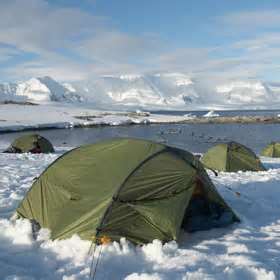 As exciting as it can be from onboard the ship, our true exploration occurs when we disembark and set foot on the great continent. There are several potential landing sites we may visit, including Neko Harbor, Orne Harbor or Paradise Bay. While weather dictates which specific landing sites we can visit, each one presents a new collection of wildlife and natural attractions.
Our days will be busy spotting wildlife and being mesmerized by the beauty of Antarctica. Watching penguins waddling on the beach and listening to the crackling and crumbling sounds of icebergs and glaciers will become our daily entertainment. With good weather we will also spend a night camping on the ice.
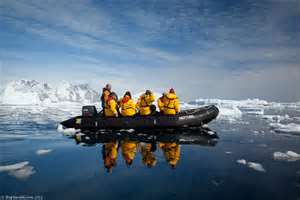 22nd - 23rd January - The Antarctic Circle
Crossing the Antarctic Circle is an impressive achievement, as most expeditions to the Peninsula do not reach this far south, which is officially noted at 66° 33’ S. We will celebrate in style! This place is visited by very few people each year.
 24th - 25th January - Northbound Along the Peninsula
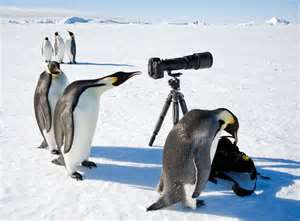
By now, your knowledge of Adelie, Chinstrap and Gentoo Penguins will be matched by your ability to differentiate between a Leopard, Fur or Weddell Seal. Terms like ‘bergy bits’ and pancake ice will seem normal too, yet there are still many tales to be told. As we head back towards the Drake, Zodiac excursions will continue to fill our days, while the education team will help fill in any blanks that remain in your newly acquired knowledge of the Antarctic.
 26th - 27th January - Drake Passage to Ushuaia
Re-crossing the Drake, Antarctica fades away and we’ll be left with a collection of memories to last a lifetime. Excited conversations with your team mates will make the time passing the Drake Passage fly by, independent of weather and sea conditions. The education team will round up their series of lectures with a slideshow of some of the great landing sites and wildlife we’ve visited over the course of our voyage.
 28th January - Disembark in Ushuaia
Today we’ll say goodbye to the ship’s crew and disembark in the morning. We’ll board a return flight to Buenos Aires for our last night on the South American continent.
 29th - 30th January - Fly Buenos Aires to Australia
On our flight home across the Pacific Ocean, there’ll be time to reflect on the wonders and magnificence of the last few weeks. We cross back over the International Date Line ‘losing a day’ on route. Friends and family will be awed with the stories and pictures you’ll have to share.
Important reminder: Embracing the unexpected is part of the legacy – and excitement – of Antarctic travel. There are no guarantees that we can achieve everything we set out to accomplish. A measure of flexibility is something all of us must bring to a voyage. There are nearly 200 recognised sites in the Antarctic Peninsula and South Shetlands and the places mentioned above may be changed to others equally as interesting.
